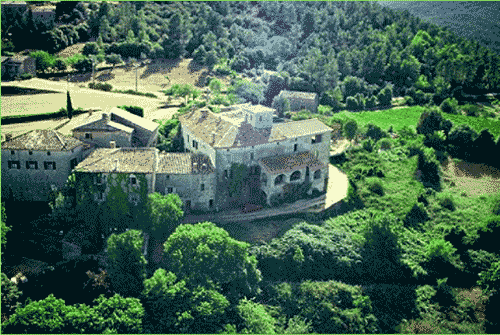
In 1994, Mai traveled to Britain for treatment of the cancer she was battling, expecting to return a week later, but she never made it back home. In 1999, when Kent bought Le Mazel, he found a shopping list in the kitchen, a half-written letter in her cluttered office, a fur coat draped across a chair, dishes in the cabinet, a library full of books, a houseful of furniture--in short, she left behind her entire life in that house, and it remained there untouched for years, like some poor soul put under a witch's spell in a fairytale.
This is where the art colony lived for three months, among Mai's belongings, and we frequently invoked her spirit during that summer of love, making toasts to her at dinner on the terrace, speculating about her love life, and visiting her grave in a field below the house.
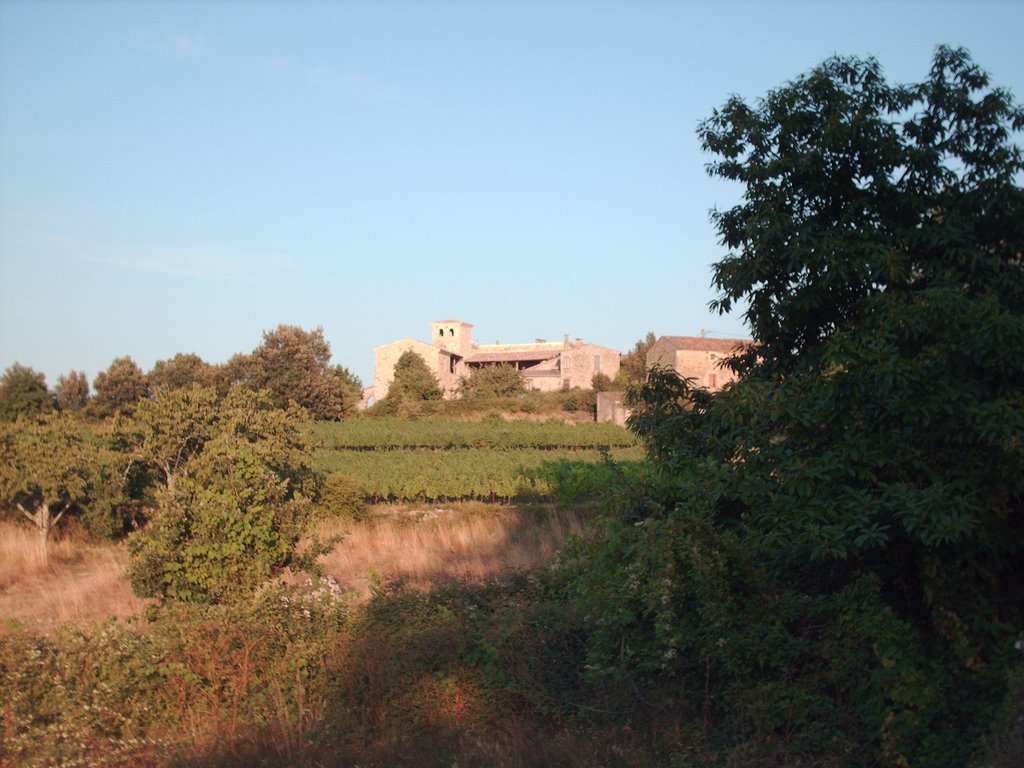
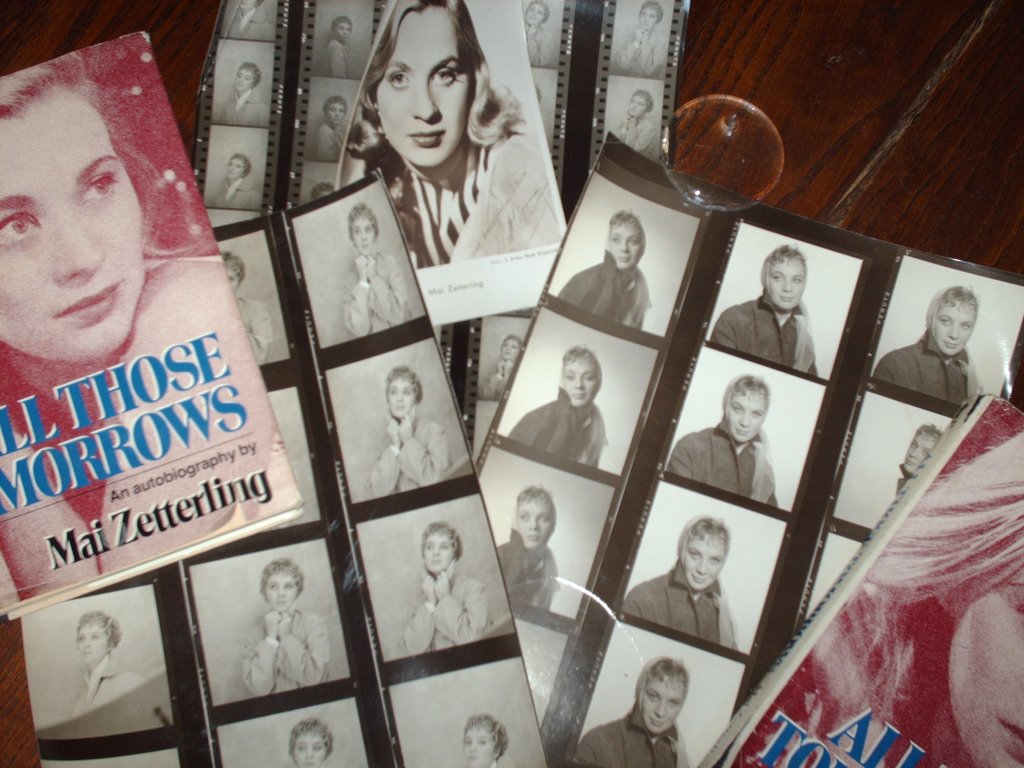
Mai Zetterling, born in 1925, was a famous Swedish actress who made a number of movies in Britain and just one in Hollywood (she hated the American film industry's phoniness and greed) before becoming a film director in the 1960s. She was a beautiful, passionate, headstrong woman who in her lifetime had two husbands, a string of lovers including the Hollywood star Tyrone Power, two children, and twelve abortions. It's easy to learn about Mai's secrets--all you have to do is read her autobiography, All Those Tomorrows.
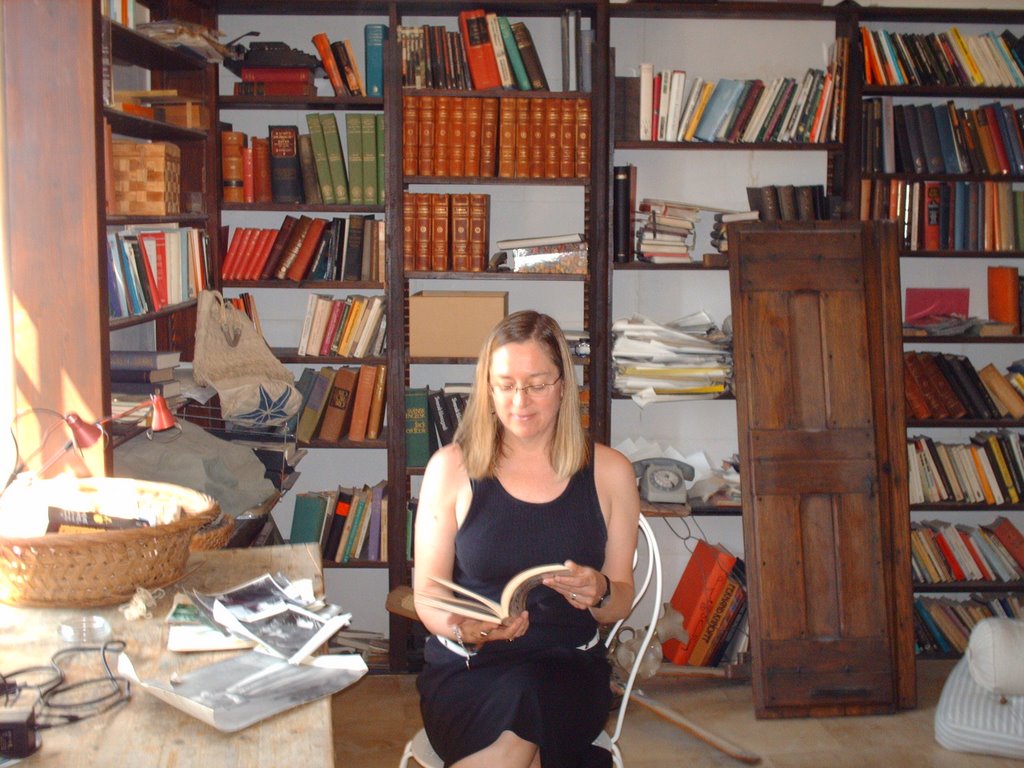
I read Mai's autobiography at Le Mazel last week on a sentimental journey to my own past, the summer of love 2000 when I reinvented myself as a bad girls writer and hopeful free spirit, ready for adventure and a life full of art, happiness and satisfaction. It was three months of paradise, really, living in the mountains in France and waking up every day with a sense of peace and joy. These good feelings came close on the heels of the worst period of my life, when I had no home, no job, no money, no man, so my sense of wonder in arriving at a place like Le Mazel was especially strong.
Now, six years later, I have a life back--I returned to Le Mazel for a summer holiday with my new husband, having left behind only briefly my office job in Manhattan and my two-bedroom coop apartment in Brooklyn.
My own sense of stability gave me the space during this visit to study Mai as a subject for my book. I held meetings with Mai in her office as I read her books, went through her papers and looked at her pictures:
I communed with Mai's spirit as I bathed in her tub:

I read the original typed manuscript of All Those Tomorrows in Mai's fireplace:
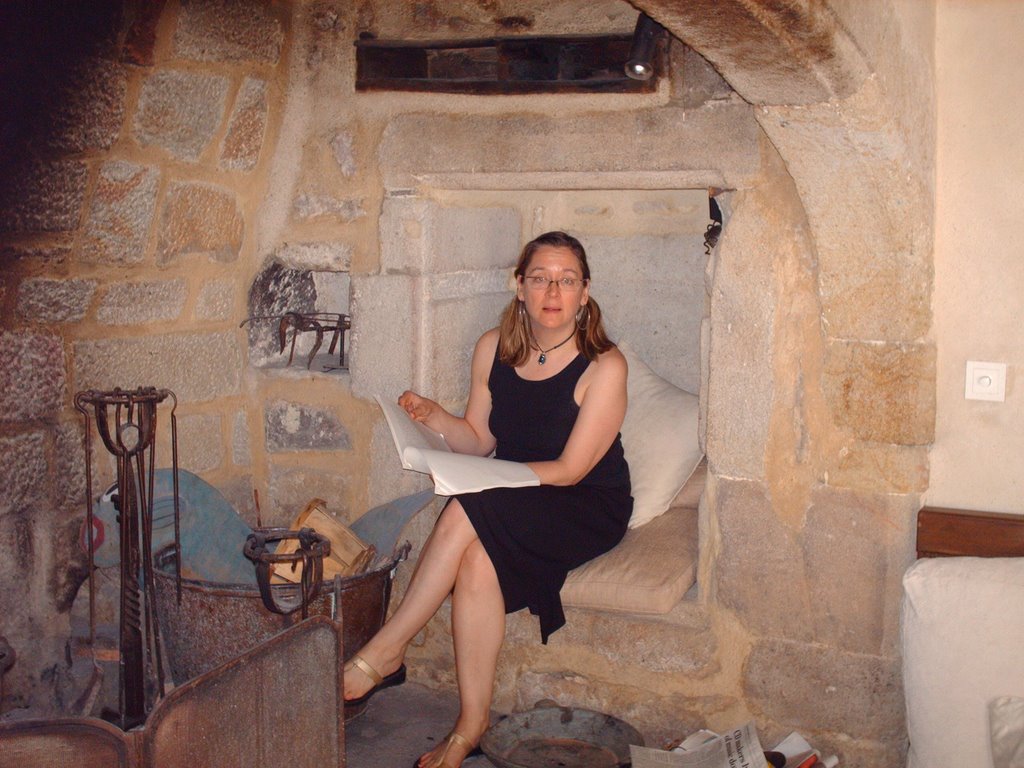
I felt the spirit of Mai's ghost all around me at Le Mazel. Le Mazel is the sort of place that seeps into your skin. So much of what I remembered about it from six years ago is its physicality. The wind at night, the sound of my bare feet padding along the stone floors, the smell of the furniture. On this brief visit, I wrote feverishly in my journal every day. One morning, I wrote: "I slept poorly in paradise last night. Why can't I sleep in paradise? I left Dave [Note from Joyce: he's my husband, the man I haven't written about yet] to lie in my old bed in the corner studio where I used to sleep, next to my writing table. I lay there, reading Mai's memoir, feeling cozy with the mosquito netting pulled round the bed, and I read until I finally drifted off. An hour or two later I awoke suddenly from the cold and ran back to Dave's warmth in the faded light of dawn. Just like before, I half-feared, half-desired coming across Mai's ghost in the long hallway. So childish. And yet why not? If there is such a thing as ghosts, Mai would be here and I would meet her in the stone hallway late at night when I thought I was alone."
Mai, too, thought she might become a ghost. In a journal entry dated March 10th 1981, written at "Le Mazel, my home: a ramshackle castle, perched on an iron rock," Mai said: "Twilight all of a sudden. The sun has made streaky patterns everywhere. Soon the fog will whirl itself up the little hill and envelop me, and I shall become a ghost figure on my terrace."
At the end of her life, when her husbands, lovers and children had all left her, Mai lived all alone at Le Mazel. I can think of worse fates.

Next time, I'll talk about a slice of life in Brooklyn. Cheerio, Joyce Hanson